It is the worst smell you have ever encountered in your own home. A thick, unmistakable stench rising from a floor drain, a toilet, or a basement sump that tells you instantly — this is sewage. The water is dark. It may have chunks of solid waste in it. And it is spreading across your floor, soaking into your carpet, wicking up your baseboards, and contaminating everything it touches.
A sewage backup is not a water damage problem you troubleshoot. It is a health emergency you evacuate from. The water coming into your Canton Valley, CT home from a sewer line failure, a septic system overflow, or a municipal main backup carries bacteria, viruses, parasites, and chemical contaminants that can make you seriously sick with direct contact or even prolonged inhalation. This is what the restoration industry classifies as Category 3 water — commonly called black water — and it demands a completely different level of response than a clean pipe burst or a rainwater leak.
Not all water damage is created equal. The industry classifies water damage into three categories based on contamination level.
Category 1 is clean water. A broken supply line, a leaking faucet, melting ice — water that started out sanitary and has not yet picked up significant contaminants. Category 2 is gray water. Dishwasher overflow, washing machine discharge, aquarium leaks — water that contains some chemical or biological contamination but is not grossly unsanitary. Category 3 is black water. Sewage. Floodwater that has mixed with sewage. Any water that has been stagnant long enough to support bacterial growth. Toilet overflow that includes fecal matter.
Black water in your Canton Valley, CT home contains organisms like E. coli, Salmonella, Hepatitis A, Giardia, and Cryptosporidium. These are not abstract risks — they are specific pathogens that cause vomiting, diarrhea, fever, and in vulnerable people, hospitalization. Contact with contaminated surfaces, inhalation of aerosolized particles, or even touching your face after handling objects that were exposed can transmit infection.
That is why you should never attempt to clean up a sewage backup yourself with a mop, a wet-dry vacuum, and some bleach. The contamination is not just on the surface. It is absorbed into porous materials — carpet, padding, drywall, unsealed wood, insulation — and no amount of surface disinfection makes those materials safe again.
When you call us for a sewage backup, the first thing we do is establish a safety perimeter. Nobody enters the contaminated area without personal protective equipment — full-face respirators, disposable coveralls, waterproof boots, and chemical-resistant gloves. This protects our crew and prevents cross-contamination to clean areas of your home.
We extract the contaminated water using specialized pumps with sealed containment systems. Unlike clean water extraction, sewage removal requires equipment that prevents splash and aerosol release. The extracted material is disposed of according to local regulations in Canton Valley, CT, not dumped down a storm drain.
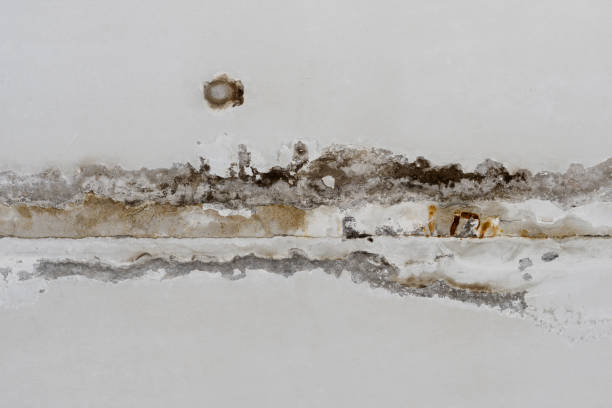
Next comes demolition of contaminated porous materials. This is the part homeowners dread but cannot avoid. Carpet and padding that contacted sewage is removed and disposed of — it cannot be sanitized. Drywall that absorbed black water is cut out, typically at least twelve inches above the visible waterline because capillary wicking carries contamination higher than the standing water reached. Baseboard trim, affected insulation, and any unsealed wood products that absorbed the water are also removed.
After demolition, we decontaminate every remaining surface. We apply EPA-registered antimicrobial and biocidal solutions to structural framing, concrete floors, and any non-porous surfaces that can be disinfected rather than removed. We do not use household bleach — it does not penetrate effectively and it breaks down too quickly. Professional-grade quaternary ammonium compounds and hydrogen peroxide-based disinfectants do the job right in the contaminated environments we encounter across Canton Valley, CT.
Then comes structural drying. The exposed wall cavities, concrete slab, and any remaining framing must be dried to target moisture content before rebuilding. We set up air movers and dehumidifiers in a containment zone with negative air pressure, which means contaminated air flows inward toward our HEPA-filtered air scrubbers instead of outward into the clean parts of your house.
The entire process is documented with photographs, moisture readings, and a written scope of work so you have a clear record of everything that was done.
Once the immediate crisis is handled and your home is clean, dry, and safe, it is worth understanding what caused the backup so you can reduce the risk of it happening again.
Common causes in Canton Valley, CT include aging sewer laterals — the pipe that connects your home to the municipal main — that crack, collapse, or get invaded by tree roots. Clay tile pipes, common in homes built before the 1970s, are especially vulnerable. A sewer scope camera inspection of your lateral can identify deterioration before it causes a backup.
Backwater valves are another line of defense. These one-way valves install in your sewer lateral and allow wastewater to flow out but prevent anything from flowing back in if the municipal system surcharges during heavy rain or a downstream blockage. In some parts of Canton Valley, CT, local code now requires them in new construction, but older homes rarely have them.
If you are dealing with a sewage backup in your Canton Valley, CT home right now, stop reading and call (833) 541-0100. Get your family and pets away from the contaminated area. Do not try to salvage belongings by hand. And do not flush any more fixtures until we identify the source.
Every minute sewage water sits in your home, bacteria are multiplying, contamination is spreading deeper into materials, and the scope of the cleanup grows. This is not a situation where waiting until morning or calling around for quotes is a good idea.
Call (833) 541-0100 now. We will dispatch a crew to your Canton Valley, CT property in protective gear, equipped to extract, decontaminate, and dry the affected area safely. Your family's health is on the line — let us handle this the right way.
"Our basement backed up with raw sewage on a Saturday night. The smell was overwhelming, so we called for help. A crew arrived quickly in full protective gear, pumped out the waste, and removed all affected carpet and drywall. They decontaminated the entire area and monitored the drying process for several days. Our basement is now clean and smells normal again. Their response time here in Canton Valley, CT was incredible."
"When a sewer lateral collapse flooded our bathroom, the team arrived quickly to remove contaminated drywall and decontaminate the framing. Their clear communication and thorough drying process made a disgusting situation manageable. Highly recommend their professional service."
"I manage a daycare facility and a sewage backup into our playroom required urgent attention. The remediation crew prioritized our project, handling full decontamination and air quality testing. They provided all necessary documentation for the health inspector, and we reopened in just eight days. Grateful does not begin to cover it."
Canton Valley (commonly known simply as Canton) is a village and census-designated place (CDP) in the town of Canton in Hartford County, Connecticut, United States. The population was 1,580 at the 2010 census. As of the 2017 census the population was 1,489.
Zip Codes in Canton Valley, CT that we also serve: 06019